Login
- Home 首頁
- Discover Morocco 探索摩洛哥
- Imazighen: The Authentic Morocco Berber People 摩洛哥柏柏爾人:大地上自由的人民
- Marrakech Travel Guide: Discover the Red City 馬拉喀什旅遊指南:探索迷人的紅色之城
- Casablanca Travel Guide: The Modern Heart of Morocco 卡薩布蘭卡旅遊指南:摩洛哥的現代脈搏與白城魅力
- Rabat Travel Guide: The Elegant Imperial Capital 拉巴特旅遊指南:被低估的首都——摩洛哥最優雅的皇城
- Fes Travel Guide: The Spiritual and Cultural Heart of Morocco 非斯旅遊指南:走進摩洛哥的千年靈魂與中世紀迷宮
- Merzouga Sahara Desert: The Ultimate Travel Guide 梅爾祖卡:大地的邊緣與無盡星空
- Chefchaouen Travel Guide: The Blue Pearl of Morocco 舍夫沙萬旅遊指南:摩洛哥最夢幻的藍色山城
- Essaouira Travel Guide: The Bride of the Atlantic 索維拉旅遊指南:大西洋新娘與風之城
- Tangier Travel Guide: Where Africa Meets Europe 丹吉爾旅遊指南:歐洲與非洲交會的十字路口
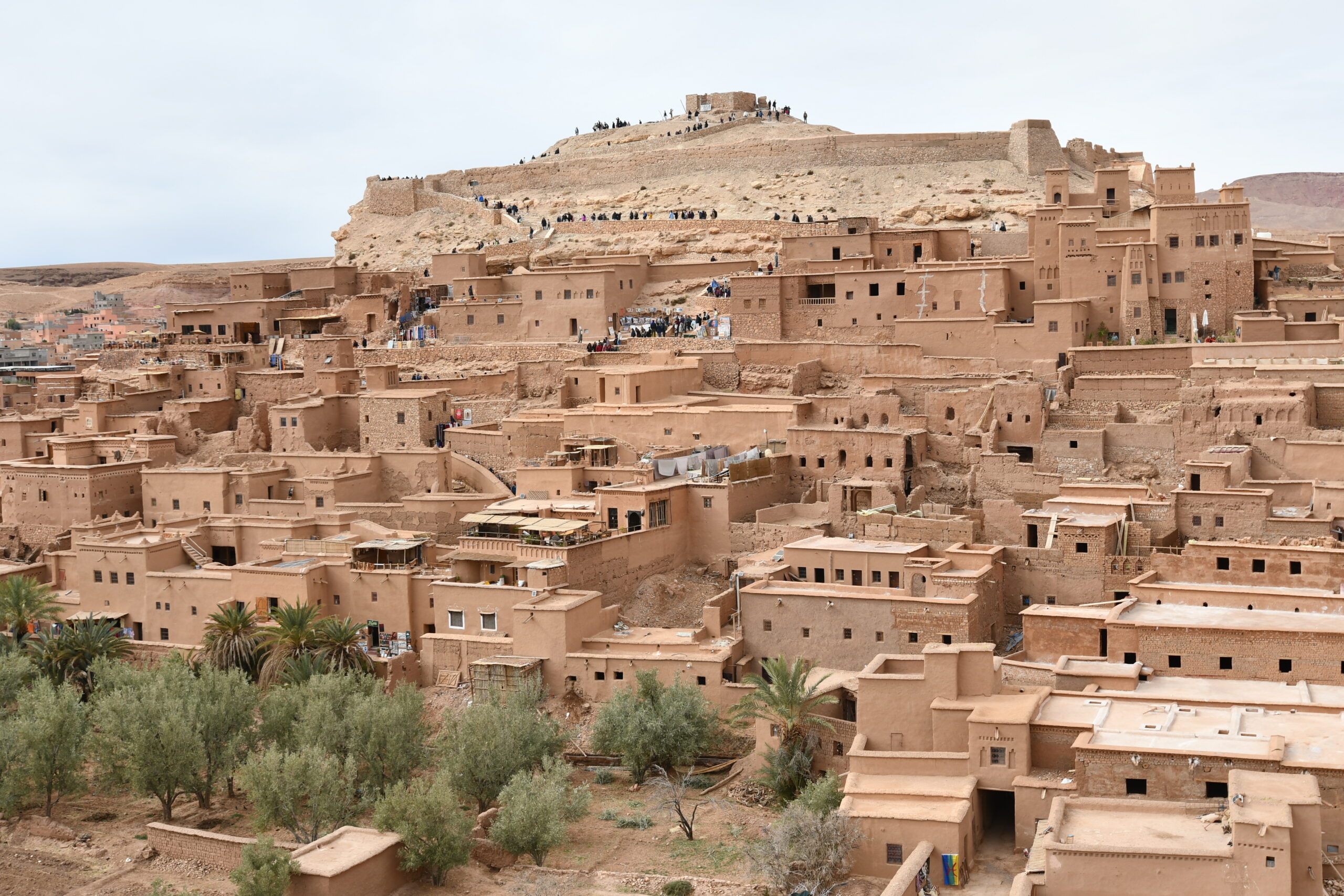
- Ait Ben Haddou Travel Guide: The Clay Fortress of Hollywood 艾本哈杜旅遊指南:用泥土建造的千年要塞與電影夢境
- Hassan II Mosque Guide: The Architectural Marvel of Casablanca 哈桑二世清真寺完全指南:大西洋上的信仰奇蹟與工藝巔峰
- Imlil Travel Guide: Gateway to the High Atlas Mountains 伊姆利勒旅遊指南:走進北非最高峰與柏柏爾山地聚落
- Volubilis Travel Guide: The Ancient Roman Ruins of Morocco 沃呂比利斯旅遊指南:摩洛哥最完整的古羅馬遺跡與馬賽克寶庫
- Story Time-摩洛哥小故事
- 🌙Traveling in Morocco During Ramadan: What Nobody Tells You 摩洛哥齋戒月:日落衝刺的魔力
- 🍵 Berber Tea Tradition Morocco: Sugar, Tea & Sincerity 砂糖與茶:撒哈拉最溫柔的表白
- Morocco Local Guide Merzouga: The Story of Our Founding Soul 沙漠男孩與我的文化實驗:從眼神開始的緣分
- A Birthday Beyond Calendars-消失的生辰,與他眼底的撒哈拉
- Resonating Frequencies & Cultural Lessons-沙漠之外:我與柏柏爾男孩的文化對話
- Beyond the Dunes: A Journey into the Authentic Morocco Soul-沙漠之外:遇見摩洛哥最純粹的真誠與靈魂
- A Cup of Sincerity: The Avocado Milk Story in Fes 一杯酪梨牛奶的真誠:在非斯舊城區的難忘回憶
- Postcards from Morocco to Taiwan: A Story of Sincerity-國王的照片與 50 歐元的收據:一場關於真誠的明信片冒險
- The Unseen Effort of an Authentic Morocco Tour Guide: Mining for Our Future 看不見的努力:為愛去深山挖礦的摩洛哥男孩
- A Moroccan Ramadan Tour Guide: Fasting, Patience, and a 50 Euro Surprise 摩洛哥司機的齋戒月:飢渴交加的考驗與 50 歐元的驚喜
- Behind the Wheel: The Real Daily Life of a Morocco Driver Guide 摩洛哥司機兼導遊的日常:方向盤背後的長期修煉
- Ait Saouen Anti-Gravity Road Morocco: A Blessing in Disguise 神總與我們同在-從失去的訂單到反重力奇觀
- Morocco Travel Guide Youssef: A Story of Genuine Care 摩洛哥小故事:無微不至的溫柔—跨越距離的情緒價值
- Morocco Travel Guide Youssef: A Story of Life and Kindness 窗台上的金背鳩與沙漠男孩的溫柔
- Not Every Journey Meets Kindness-不是每一趟旅程,都會遇見善意
- Morocco Private Tour Guide Youssef: Longing Across Borders-跨越簽證與距離的思念,寫給最認真的他
- Morocco Tours 行程推薦
- Essaouira Day Trip 索維拉一日遊 🌊✨
- Morocco Private Car Service / 專業摩洛哥包車
- Desert Activities 沙漠體驗
- Tours From Casablanca 卡薩布蘭卡出發
- Tours From Marrakech 馬拉克什出發
- 10 Days Desert Soul Journey from Marrakech 馬拉喀什出發:撒哈拉靈魂之行 10 日遊
- 8 Days Tour From Marrakech to Casablanca 馬拉喀什出發至卡薩布蘭卡:八日沙漠全覽之旅
- 6 Days tour from Marrakech 馬拉喀什往返:六日全覽之旅
- 4 Days Marrakech Desert Tour 馬拉喀什出發:四日沙漠深度之旅
- 3 days desert tour in Morocco From Marrakech to Fes 馬拉喀什至非斯:三日沙漠精華之旅
- 3 Days Marrakech Desert Tour 馬拉喀什往返:三日沙漠精華之旅
- Tours From Fes 非斯出發
- Tours From Tangier 坦吉爾出發
- Morocco Visa–摩洛哥簽證
- Contact Us 聯絡我們